
Our Collective Civic Conscience
We often lament the state of our cities — poor infrastructure, visible neglect, and a lack of civic responsibility. We notice the contrast when we travel abroad, where rules are followed more closely and public spaces are respected.
Over time, frustration can turn into indifference. Some of us become selective in what we see. Others stop caring.
Yet, history shows that functional, clean cities are built — not inherited.
Learning from elsewhere
Many of today’s clean cities were once struggling with poor sanitation. In 18th and 19th-century Europe, rapid urbanisation led to severe public health crises. Rivers doubled as sewage drains, and cities like London and Paris faced recurring outbreaks of disease.
It was only after sustained investment in infrastructure, stricter regulations, and enforcement that conditions began to improve. Civic behaviour evolved alongside these systems.
Similarly, cities like Tokyo and Singapore achieved their current standards through long-term policy focus, public awareness, and consistent enforcement. Cleanliness became both a system and a shared social expectation.
India’s paradox
India’s challenge is not a lack of awareness, but a gap between values and behaviour.
Historically, we have demonstrated strong civic planning — from the drainage systems of the Indus Valley to community-led water management practices. Personal hygiene traditions remain deeply embedded in everyday life.
Yet this awareness often stops at our doorsteps. What happens to waste or water beyond our immediate space receives far less attention.
This divide is compounded by social attitudes that place sanitation work in narrow hierarchies, distancing individuals from shared responsibility. At the same time, rapid urbanisation, population growth, and changing consumption patterns continue to strain city systems.
The consequences we share
The contrast between private cleanliness and public neglect shapes our daily reality.
Our homes are clean, but our cities are under pressure. We often retreat into managed spaces, while the larger ecosystem struggles. Yet air, water, and environmental impact cannot be contained. Cities are heating up, resources are under stress, and access to infrastructure remains uneven. Everyday behaviours — littering, defacing spaces, or ignoring safety norms — only add to these challenges.
Beyond blame
Government action — through infrastructure, regulation, and awareness — remains critical
But systemic gaps do not fully explain the problem. Civic responsibility requires participation, not just expectation.
Meaningful change begins with recognising that public spaces are shared spaces.
From awareness to action
Civic responsibility today is closely tied to environmental sustainability and climate resilience.
India is already experiencing the effects of rising temperatures, water stress, and environmental degradation. These are no longer distant concerns, but everyday realities.
Encouragingly, many young people across the country are rethinking how we engage with waste, water, and resources — exploring more sustainable and circular approaches.
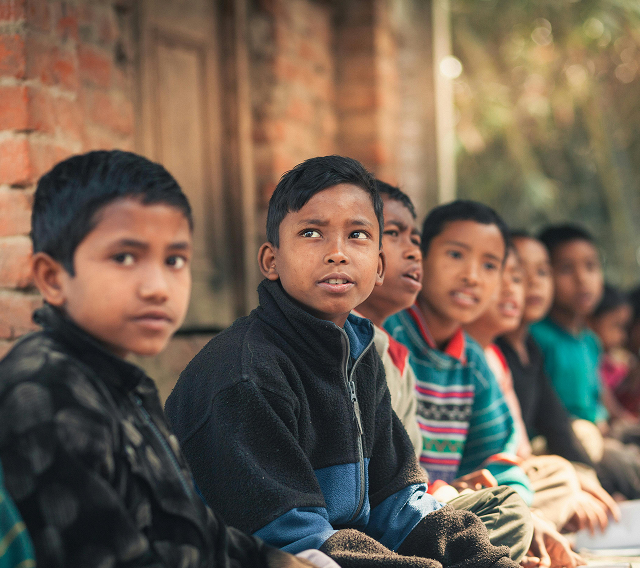
Children’s Village Sabhas in Chikmagalur District:
Real-life experience of democracy where children learn that they can participate in solving issues that affect them & their villages. With input & reflection sessions to deepen their understanding, CMCA energises these Sabhas and focuses on participation and other rights of children.
Building civic consciousness
Initiatives like Brigade Foundation’s partnership with CMCA in Chikmagalur demonstrate what early engagement can achieve.
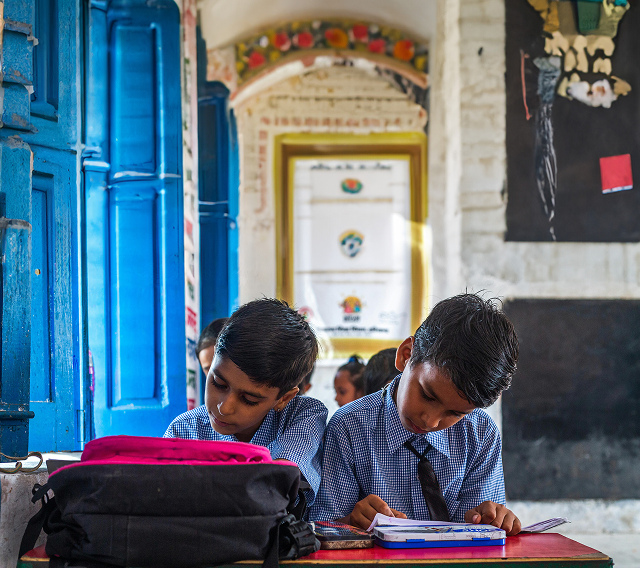
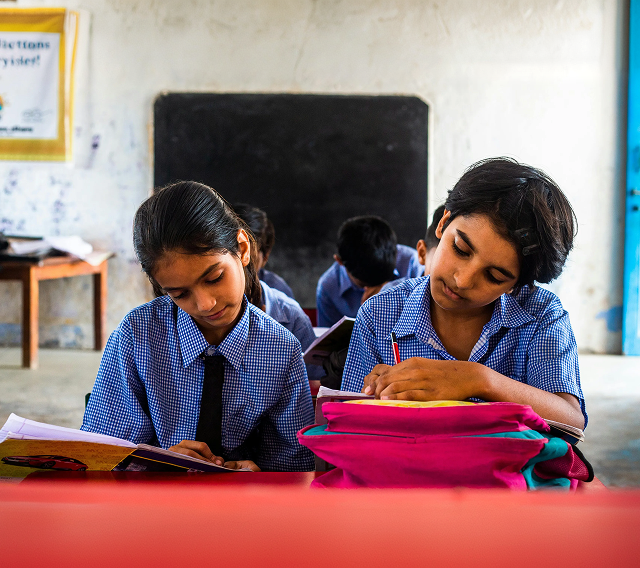
Over the past four years, more than 30,000 children have been introduced to civic values through structured programmes. By engaging with local issues and community problem-solving, they are learning responsibility, empathy, and respect for shared spaces.
Such initiatives show that lasting change begins early — and grows through participation.
The choice before us
Our cities are not separate from us. They reflect what we tolerate — and what we choose to change.
The question is not whether change is possible. It is whether we are willing to be a part of it.
This is my first time attending the Makkala Grama Sabha. I am very happy. I did not know that there was a platform where govt representatives listen to our problems. I came to know about it after CMCA’s session.
We have told our problems to the authorities. I requested them to resolve our problems as soon as possible. I am very happy to have come to the Makkala Grama Sabha.
Pooja, 8th Std.
Govt. High school, Avathi, Chikmagalur
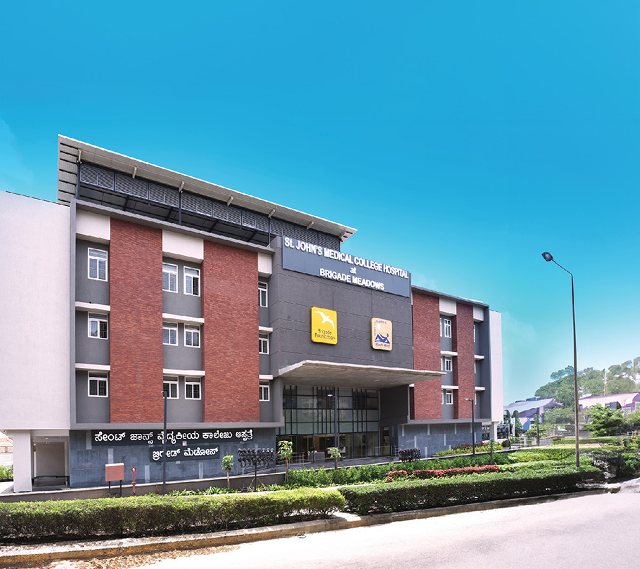
My father experienced severe breathlessness due to COPD and was rushed to the emergency department at St. John’s Medical College Hospital at Brigade Meadows. Although it was not his regular hospital, we chose to continue his treatment there as his condition remained critical in the days that followed.
He spent 22 days in the ICU, followed by a week in the ward. The doctors and staff managed his care with expertise and compassion, keeping us informed at every stage. What stood out was the continuity of care, with guidance and support even after discharge.
He is now gradually recovering, and we are grateful to the team of doctors, support staff, and caregivers at St. John’s for helping us through a difficult time. Their care made a meaningful difference when it mattered most.
– A Heartfelt Message from the Patient's Family